
What Happens If You Don’t Set Aside Money for Taxes?
If you’ve ever thought, “I’ll deal with taxes later,” you’re not alone. Most business owners don’t set aside money for taxes because they aren’t careless, but because no one clearly explained how much to save, when to save it, or why it matters.
So let’s talk about it simply and without judgment. No scare tactics, just clarity that helps protect your peace and give future you some breathing room.
If this topic already feels heavy, you’re not alone. You might also find comfort in reading How Much Should I Set Aside for Taxes? (And How to Get Started), which breaks this down step by step in a very practical way.
The Short Answer: It Gets More Stressful (and More Expensive)
When you don’t set aside money for taxes, the impact usually shows up fast. Even profitable businesses can feel panicked during tax season, not because they didn’t make enough money, but because the money that should have been saved was already spent.
Here’s what that typically looks like.
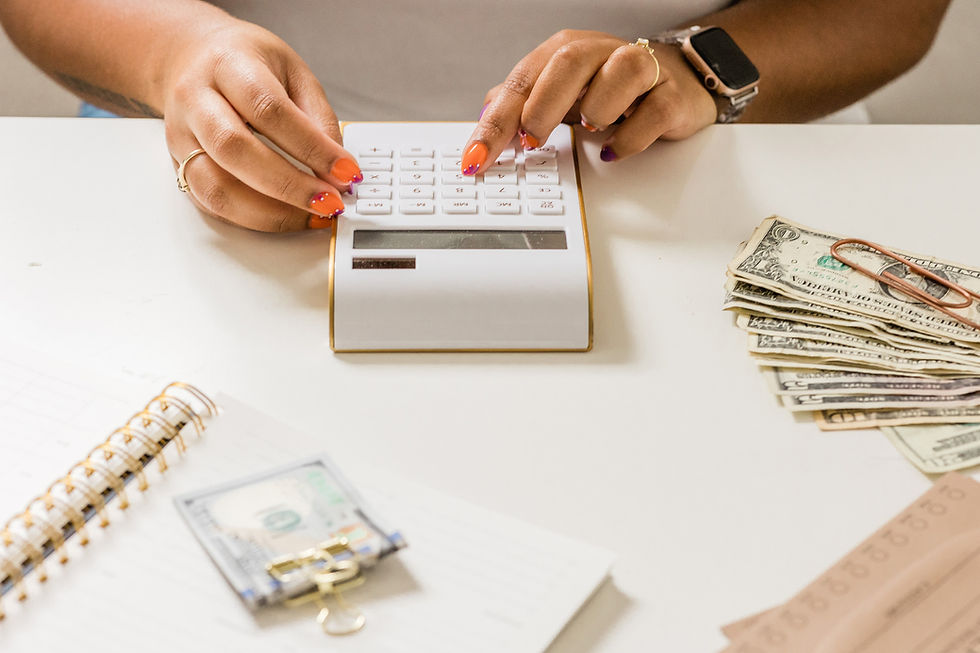
1. You’re Hit With a Big, Unexpected Tax Bill
This is the most common outcome of not setting aside money for taxes.
Your accountant finishes your return, or you file your taxes, and suddenly you’re staring at a number you weren’t prepared for, often due within weeks.
Because you didn’t set aside money for taxes, you may end up:
Scrambling to pull together cash
Dipping into personal savings
Putting the balance on a credit card
Panicking about how you’ll pay it
Even months with strong cash flow can disappear quickly when taxes weren’t planned ahead of time.
2. You Pay Penalties and Interest on Top of What You Owe
Not setting aside money for taxes doesn’t just delay the problem; it usually makes it bigger.
If you can’t pay your tax bill in full by the deadline, you may face:
Failure-to-pay penalties
Monthly interest charges
Late payment fees
For self-employed business owners, skipping quarterly estimated payments can also trigger penalties, even if you eventually pay at the end of the year.
If quarterly taxes feel confusing, you’re not missing something; they’re rarely explained clearly. The Quarterly Estimated Tax Payments Guide can help you understand when payments are due and how to plan for them without overwhelm.
In other words, when you don’t set aside money for taxes, the cost is often higher than the original bill.
3. You Start Running Your Business From Fear
One of the most overlooked consequences of not setting aside money for taxes is how it changes your mindset.
You might:
Avoid checking your bank account
Say yes to work you don’t actually want
Underpay yourself
Delay investments that could help you grow
Instead of making confident, intentional decisions, everything feels reactive. Taxes quietly start controlling your business, because you didn’t set aside money for taxes in advance.
If this resonates, Why Financial Planning Isn’t Just for Big Businesses is a helpful reminder that money clarity isn’t about scale, it’s about sustainability.
4. You Feel Behind (Even If You’re Actually Doing Well)
This part rarely gets talked about.
When you don’t set aside money for taxes, it often leads to:
Guilt (“I should’ve known better”)
Shame (“Everyone else probably has this figured out”)
Avoidance (“I’ll deal with it later”)
That emotional weight makes bookkeeping, budgeting, and planning feel far more overwhelming than they need to be.
The truth? This is incredibly common, especially for newer business owners or anyone who never received clear guidance on how to set aside money for taxes in the first place.
5. It Turns Into a Cycle That Repeats Every Year
Here’s what most people don’t realize:
When you don’t set aside money for taxes once, it often becomes a pattern.
The cycle usually looks like this:
Surprise tax bill
Stress and scrambling
No system put in place
Same problem the next year
Breaking that cycle doesn’t require perfection. It just requires a simple, repeatable way to set aside money for taxes consistently.
So, How Much Should You Set Aside for Taxes?
While every business is different, a common starting point for many small business owners is:
25–30% of profit set aside for taxes
That percentage can change based on:
Your business structure
Your income level
State taxes
Available deductions
The goal isn’t to be exact on day one; it’s to set aside money for taxes intentionally and consistently.
What If You Haven’t Been Setting Aside Money for Taxes?
If you’re reading this thinking, “Okay… I haven’t done this at all,” pause and take a breath.
You’re not behind, you’re just starting.
Here’s how to begin:
Open a separate savings account labeled “Taxes”
Start to set aside money for taxes from each payment (even a small percentage counts)
Review your numbers monthly instead of waiting until tax season
Adjust as you learn more about your actual tax liability
Progress matters far more than perfection.
Why Setting Aside Money for Taxes Changes Everything
Learning how to consistently set aside money for taxes isn’t just about the IRS.
It gives you:
Peace of mind
More confident business decisions
A clearer picture of what you can actually afford
Less stress at tax time
A business that feels stable instead of chaotic
That’s the real win.
Want Help Making This Easier?
If you want ongoing support figuring out how much to set aside for taxes and how to stay consistent, that’s exactly what we work through inside BYOB+. You don’t have to guess or figure it out on your own.
BYOB+ helps you build simple, repeatable systems for things like quarterly taxes and cash flow, so tax season feels manageable instead of stressful. Join now for the first month FREE!
And the good news? One small system today can save you a lot of stress later, and future you will be very glad you started.
P.S. If you’re not already on our email list, now’s the perfect time to join. You’ll get easy, practical tips delivered straight to your inbox, so managing your business finances feels way less overwhelming (and dare we say, empowering).





Comments